Solar Batteries in Australia

Solar Batteries in Australia

Most Australian homes with solar panels still don’t have a battery. The main reason is cost. For many households, a battery does not yet deliver a short payback period through bill savings alone.

However, battery installations are increasing. Feed-in tariffs have fallen, electricity prices remain unpredictable, and more households are placing value on blackout protection and reducing reliance on the grid.

Government incentives at both federal and state level are also playing a growing role in making batteries more accessible.

This page explains what solar batteries do, the benefits they can offer, how they integrate with existing solar systems, and what rebates may be available depending on where you live.

What a Solar Battery Does

A solar battery stores surplus electricity generated by your solar panels during the day instead of exporting it to the grid. That stored energy can then be used later, usually in the evening or overnight, when your household demand is higher and solar production is low.

Without a battery, most solar homes still buy a large portion of their electricity from the grid after sunset.

What Are the Main Benefits of a Solar Battery?

Adding a solar battery can provide several practical benefits for Australian households:

Adding a Battery to an Existing Solar System

Many battery installations in Australia are retrofits to homes that already have solar panels.

If your current solar system uses a standard grid-connected inverter, the most common option is an AC-coupled battery or an all-in-one battery system. These batteries include their own inverter and are generally compatible with most existing solar systems. They convert electricity back to DC internally for storage, which makes them flexible but slightly less efficient than DC-coupled setups.


If your solar system uses a hybrid inverter, you may be able to install a DC-coupled battery. These batteries are usually designed to work with a specific inverter brand. Installation costs are often lower, and monitoring is typically integrated into the same app, but your battery options may be more limited.


Both approaches are common in Australia, and neither is universally “better”. The right choice depends on what equipment you already have and what you want the battery to do.

Comparing Solar Battery Quotes the Smart Way

Not all batteries or installers are created equal. Beyond capacity and price, things like installation quality, warranties, software, and after-sales support matter just as much.


Working with accredited, experienced installers helps ensure:

  • The battery is correctly sized for your usage
  • Your system meets Australian standards
  • Integration with your solar setup is done properly

Providing accurate site details upfront, including photos, leads to more reliable and finalised quotes.

Solar Battery Rebates & Incentives in Australia

Battery prices have come down significantly thanks to a mix of federal and state incentives. In 2026, eligible households may access:

  • The federal solar battery rebate
  • State-based battery programs in NSW, VIC, WA and NT
  • Additional incentives through VPP participation

Rebates vary by location, battery size, and timing, so checking current eligibility before committing is essential.

Solar Battery Comparison – Available Brands in Australia

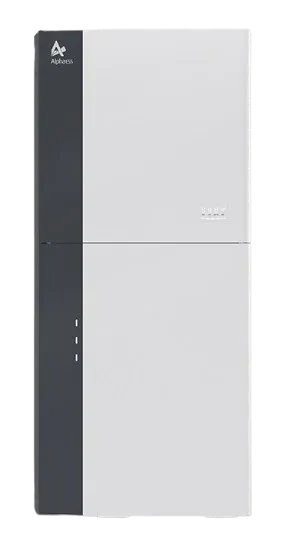
Alpha ESS

- Office in Australia: Yes
- Made In: China
- Chemistry: Lithium Iron Phosphate (LiFePO4)
- Approx. Cost per Usable kWh: $812
- Warranty: 10 years
- Minimum Capacity at end of Warranty: 70%
- Warrantied Throughput per usable kWh: 3.12 MWh
Know More

Tesla

Rated 4.65 from 198 customer reviews
- Office in Australia: Yes
- Made In: USA >br> - Chemistry: Lithium-ion
-Approx. Cost per Usable kWh: $952
- Warranty: 10 years, 3,600 cycles
- Minimum Capacity at end of Warranty: 70%
- Warrantied Throughput per usable kWh: 2.74 MWh
Know More

Alpha ESS

- Office in Australia: Yes
- Made In: China
- Chemistry: Lithium Iron Phosphate (LiFePO4)
- Approx. Cost per Usable kWh: $812
- Warranty: 10 years
- Minimum Capacity at end of Warranty: 70%
- Warrantied Throughput per usable kWh: 3.12 MWh
Know More

Alpha ESS

- Office in Australia: Yes
- Made In: China
- Chemistry: Lithium Iron Phosphate (LiFePO4)
- Approx. Cost per Usable kWh: $812
- Warranty: 10 years
- Minimum Capacity at end of Warranty: 70%
- Warrantied Throughput per usable kWh: 3.12 MWh
Know More

Alpha ESS

- Office in Australia: Yes
- Made In: China
- Chemistry: Lithium Iron Phosphate (LiFePO4)
- Approx. Cost per Usable kWh: $812
- Warranty: 10 years
- Minimum Capacity at end of Warranty: 70%
- Warrantied Throughput per usable kWh: 3.12 MWh
Know More

Alpha ESS

- Office in Australia: Yes
- Made In: China
- Chemistry: Lithium Iron Phosphate (LiFePO4)
- Approx. Cost per Usable kWh: $812
- Warranty: 10 years
- Minimum Capacity at end of Warranty: 70%
- Warrantied Throughput per usable kWh: 3.12 MWh
Know More

Alpha ESS

- Office in Australia: Yes
- Made In: China
- Chemistry: Lithium Iron Phosphate (LiFePO4)
- Approx. Cost per Usable kWh: $812
- Warranty: 10 years
- Minimum Capacity at end of Warranty: 70%
- Warrantied Throughput per usable kWh: 3.12 MWh
Know More

Alpha ESS

- Office in Australia: Yes
- Made In: China
- Chemistry: Lithium Iron Phosphate (LiFePO4)
- Approx. Cost per Usable kWh: $812
- Warranty: 10 years
- Minimum Capacity at end of Warranty: 70%
- Warrantied Throughput per usable kWh: 3.12 MWh
Know More

Alpha ESS

- Office in Australia: Yes
- Made In: China
- Chemistry: Lithium Iron Phosphate (LiFePO4)
- Approx. Cost per Usable kWh: $812
- Warranty: 10 years
- Minimum Capacity at end of Warranty: 70%
- Warrantied Throughput per usable kWh: 3.12 MWh
Know More
Scroll to Top