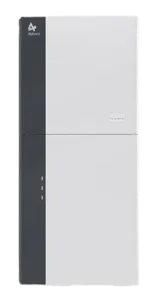
Why Huawei Batteries Are Worth Considering in Australia
Huawei is one of the largest and most technologically advanced companies in the world, a Fortune Global 500 company with annual revenue exceeding USD 100 billion and operations across more than 170 countries. While Huawei is best known globally for telecommunications infrastructure and consumer electronics, their digital power division Huawei Digital Power has become one of the leading solar inverter and battery storage manufacturers in the world, with more than 200 GW of solar inverter capacity shipped globally as of 2024.
In Australia, Huawei has been supplying solar inverters since 2015 and has built a strong reputation among Australian solar installers for the performance and reliability of their SUN2000 string inverter series consistently rated among the top-performing inverters in the Australian market. Their LUNA2000 residential battery storage system, which integrates directly with the SUN2000 and SUN2000 hybrid inverter series, entered the Australian market in 2020 and has since become one of the most discussed and respected battery options available to Australian homeowners.
What distinguishes the Huawei LUNA2000 from most competing batteries is the combination of advanced AI-powered energy management, modular scalability, and deep integration with Huawei’s inverter and smart home ecosystem. The LUNA2000 is not simply a battery — it is the storage component of Huawei’s complete FusionSolar smart energy system, which manages solar generation, battery storage, EV charging, and home energy consumption through a single AI-driven platform that continuously optimises energy flows to minimise electricity costs and maximise self-sufficiency.
For Australian homeowners looking for the most intelligent and integrated solar-plus-storage system available with a globally recognised brand, strong local support, and a modular battery design that scales from 5 kWh to 30 kWh the Huawei LUNA2000 is a compelling option in the premium mid-market segment.
All Huawei LUNA2000 batteries use LFP (Lithium Iron Phosphate) chemistry the safest and most thermally stable lithium battery technology available, and critical for Australian homes that regularly experience extreme summer temperatures. Huawei batteries are Clean Energy Council (CEC) approved and AS/NZS 5139 compliant, making them eligible for the federal Cheaper Home Batteries Program rebate that commenced 1 July 2025.
Huawei has a dedicated Australian team with national distributor and installer support networks covering all major states and territories. Solar Cost Guide recommends always using a Huawei-certified installer to ensure correct system commissioning and warranty validity.
Huawei LUNA2000 battery models available in Australia:
| Model | Voltage type | Capacity | Best for |
| LUNA2000-5-S0 | High-voltage (modular) | 5 kWh (1 module) | Entry-level, small homes |
| LUNA2000-10-S0 | High-voltage (modular) | 10 kWh (2 modules) | Medium homes, standard storage |
| LUNA2000-15-S0 | High-voltage (modular) | 15 kWh (3 modules) | Large homes, high storage |
| LUNA2000-30-S0 | High-voltage (modular) | 30 kWh (6 modules) | Maximum residential capacity |
The Huawei LUNA2000 Platform — How It Works
Before reviewing each individual model, it is important to understand that all Huawei LUNA2000 batteries are part of a single modular platform. Each LUNA2000 system is built from individual 5 kWh modules and the model number reflects how many modules are installed. A LUNA2000-5-S0 is a single 5 kWh module, a LUNA2000-10-S0 is two modules stacked together, a LUNA2000-15-S0 is three modules, and the LUNA2000-30-S0 is six modules at maximum residential capacity.
This means that every LUNA2000 installation starts with the same foundational hardware and can be expanded at any time by adding more modules without replacing the inverter, the battery management system, or any existing modules. Australian homeowners can start with a single 5 kWh module and grow to the full 30 kWh residential maximum incrementally as their budget and energy needs allow.
All LUNA2000 modules connect to a Huawei SUN2000 hybrid inverter using a high-voltage DC connection; the LUNA2000 is a DC-coupled system designed for integration within the Huawei FusionSolar ecosystem. The SUN2000 hybrid inverter manages the energy flows between solar panels, the LUNA2000 battery, the grid, and household loads through Huawei’s AI-powered FusionSolar management platform.
Model 1 — Huawei LUNA2000-5-S0: Entry-Level Single Module
What Is the Huawei LUNA2000-5-S0?
The LUNA2000-5-S0 is a single 5 kWh LUNA2000 module the entry point into the Huawei battery storage ecosystem. It is designed for smaller Australian homes, first-time battery buyers, or households that want to start with modest storage and expand later. As a single module within the larger LUNA2000 platform, the LUNA2000-5-S0 is the most affordable way to enter the Huawei FusionSolar ecosystem while retaining the full capability to expand to 30 kWh without replacing any hardware.
The LUNA2000-5-S0 delivers 4.75 kWh of usable storage at 95% depth of discharge and connects directly to a Huawei SUN2000-5/6/8/10KTL-M2 hybrid inverter. Like all LUNA2000 modules, it includes Huawei’s AI-powered active management that continuously optimises charge and discharge decisions based on real-time electricity prices, solar forecasts, and household consumption patterns.
LUNA2000-5-S0 — Technical Specifications
| Specification | Details |
| Battery chemistry | LFP — Lithium Iron Phosphate (cobalt-free) |
| Nominal capacity | 5 kWh per module |
| Usable capacity | ~4.75 kWh (95% DoD) |
| Depth of discharge | 95% |
| Round-trip efficiency | ≥97% |
| Voltage type | High-voltage DC — 200V nominal per module |
| Continuous charge/discharge power | 2.5 kW per module |
| Peak power | 5 kW per module (10 seconds) |
| IP rating | IP65 |
| Cooling method | Natural convection (passive, fan-free) |
| Operating temperature | -10°C to +50°C |
| Storage temperature | -40°C to +70°C |
| Dimensions per module | 670 × 150 × 600 mm |
| Weight per module | ~56 kg |
| Mounting | Wall-mount, stackable |
| Communication interface | Power Line Carrier (PLC) — Huawei proprietary |
| Self-discharge rate | <1% per month |
| Modules in this configuration | 1 module |
| Expandable | Yes — up to 6 modules (30 kWh) |
| Cycle life | 6,000+ cycles at 80% DoD |
| Capacity retention | ≥80% after 10 years |
| Warranty | 10 years |
| Remote monitoring | Huawei FusionSolar app (iOS and Android) + web portal |
| Certifications | AS/NZS 5139, IEC 62619, UN38.3, CE, RCM |
| CEC approved | Yes — eligible for Cheaper Home Batteries Program |
| Compatible inverters | Huawei SUN2000-5/6/8/10KTL-M2, SUN2000-3/4/5/6KTL-L1 |
LUNA2000-5-S0 — Key Features
Single module entry — lowest cost pathway into the Huawei ecosystem
The LUNA2000-5-S0 is the most affordable way to enter the Huawei FusionSolar battery storage ecosystem. By starting with a single 5 kWh module, Australian homeowners can access the full suite of Huawei’s AI energy management, FusionSolar monitoring, and smart home integration at the lowest possible upfront investment while retaining the complete ability to expand to 30 kWh total storage by adding up to five more modules at any time in the future.
IP65 weatherproofing — better than most entry-level batteries
The LUNA2000-5-S0 carries an IP65 rating, fully dust-tight and protected against water jets from any direction. This is better than the IP55 found on most competing entry-level batteries from GoodWe, SolaX, SAJ, and others, making the LUNA2000 more suitable for outdoor and semi-outdoor Australian installations. IP65 is particularly relevant for homes in coastal areas, regions with heavy seasonal rainfall, or dusty inland environments.
<1% monthly self-discharge
The LUNA2000’s self-discharge rate of less than 1% per month is among the lowest available for any residential battery in Australia matching Anker Solix and SolarEdge in this specification. This minimal self-discharge is particularly valuable for holiday homes, seasonal properties, or households that travel regularly and may not cycle the battery daily for extended periods.
Huawei FusionSolar AI management — intelligent energy optimisation
All LUNA2000 modules benefit from Huawei’s FusionSolar AI energy management engine the same AI platform that powers Huawei’s commercial and utility-scale energy storage installations globally. The AI engine continuously analyses household consumption patterns, solar generation forecasts based on real-time weather data, electricity tariff structures including time-of-use pricing, and grid signals making optimised charge and discharge decisions throughout the day to minimise electricity costs and maximise self-sufficiency. For Australian homeowners on time-of-use tariffs, this ongoing AI optimisation delivers meaningfully better financial outcomes than a conventional battery on a fixed schedule.
Storage temperature range to -40°C — widest in the market
The LUNA2000’s storage temperature range extends down to -40°C, the widest storage temperature tolerance of any residential battery available in Australia. While operating temperatures are the same as most competitors (-10°C to +50°C), the exceptional storage tolerance means the LUNA2000 can be safely stored in extreme cold conditions before installation relevant for alpine and high-altitude Australian properties and for transport during cold weather events.
Who Is the LUNA2000-5-S0 For?
The Huawei LUNA2000-5-S0 is the right choice for Australian homeowners who:
- Want to enter the Huawei FusionSolar ecosystem at the lowest cost
- Have a smaller home with daily consumption under 15 kWh
- Already have or are installing a Huawei SUN2000 hybrid inverter
- Want IP65 weatherproofing for outdoor or semi-outdoor installation
- Want a clear and affordable expansion pathway to 30 kWh without replacing hardware
LUNA2000-5-S0 Pricing — Australia 2025
| Configuration | Approx. installed cost (incl. GST) | After federal rebate (~$370/kWh) |
| 5 kWh (1 module) | ~$5,500–$7,500 | ~$3,740–$5,740 |
Battery only — does not include Huawei SUN2000 hybrid inverter. Prices are indicative and vary by state, installer, and site conditions.
Model 2 — Huawei LUNA2000-10-S0: Standard Residential Configuration
What Is the Huawei LUNA2000-10-S0?
The LUNA2000-10-S0 is a two-module LUNA2000 configuration providing 10 kWh of nominal storage and approximately 9.5 kWh of usable storage at 95% depth of discharge. This is the most popular Huawei battery configuration in Australia in 2025, hitting the sweet spot of capacity, price, and federal rebate value for the majority of Australian suburban households with daily consumption of 15–25 kWh.
The LUNA2000-10-S0 delivers 5 kW of continuous power output matching the maximum output of most single-phase hybrid inverters and connects to the Huawei SUN2000 hybrid inverter using the same high-voltage DC architecture as all LUNA2000 modules. Like all LUNA2000 configurations, it remains fully expandable to 30 kWh by adding up to four more 5 kWh modules at any time.
LUNA2000-10-S0 — Technical Specifications
| Specification | Details |
| Battery chemistry | LFP — Lithium Iron Phosphate (cobalt-free) |
| Nominal capacity | 10 kWh (2 × 5 kWh modules) |
| Usable capacity | ~9.5 kWh (95% DoD) |
| Depth of discharge | 95% |
| Round-trip efficiency | ≥97% |
| Voltage type | High-voltage DC — 400V nominal (2 modules in series) |
| Continuous charge/discharge power | 5 kW |
| Peak power | 10 kW (10 seconds) |
| IP rating | IP65 |
| Cooling method | Natural convection (passive, fan-free) |
| Operating temperature | -10°C to +50°C |
| Storage temperature | -40°C to +70°C |
| Weight | ~112 kg (2 modules) |
| Mounting | Wall-mount, stackable |
| Communication | Power Line Carrier (PLC) |
| Self-discharge rate | <1% per month |
| Modules in this configuration | 2 modules |
| Expandable | Yes — up to 6 modules (30 kWh) |
| Cycle life | 6,000+ cycles at 80% DoD |
| Capacity retention | ≥80% after 10 years |
| Warranty | 10 years |
| Remote monitoring | Huawei FusionSolar app and web portal |
| CEC approved | Yes — eligible for federal rebate |
| Compatible inverters | Huawei SUN2000-5/6/8/10KTL-M2 and SUN2000 hybrid series |
LUNA2000-10-S0 — Key Features
9.5 kWh usable — covers most Australian household overnight needs
At 9.5 kWh of usable storage, the LUNA2000-10-S0 provides enough capacity to cover the full overnight electricity consumption of most standard three-to-four bedroom Australian homes. For households with a 6–10 kW solar system generating meaningful daytime surplus, the 10 kWh LUNA2000 can eliminate or significantly reduce grid dependency from sunset to sunrise delivering strong bill reductions from the first month of operation.
5 kW continuous and 10 kW peak power
The LUNA2000-10-S0’s 5 kW continuous output matches the maximum output of most residential single-phase hybrid inverters in Australia, enabling the system to supply the full rated inverter power from battery storage during a grid outage. The 10 kW peak handles startup surges from large air conditioning compressors, pool pumps, and other motor-driven appliances preventing overload shutdowns during blackouts that can occur with lower-specification batteries.
Most popular Huawei configuration in Australia — proven and well-supported
The LUNA2000-10-S0 is the most widely installed Huawei battery configuration in Australia, meaning the largest pool of certified Huawei installers have experience with this specific system design. This real-world installation volume translates to better installer familiarity, faster commissioning, and more reliable after-sales support compared to less common configurations.
Best federal rebate value in the Huawei range per installation
At 9.5 kWh of usable capacity, the LUNA2000-10-S0 attracts approximately $3,520 in federal Cheaper Home Batteries Program rebate bringing the effective installed cost into the $7,000–$10,000 range, which is competitive with most 10 kWh-class batteries from other premium brands in Australia.
FusionSolar AI management at full 10 kWh scale
The LUNA2000-10-S0 operates the full Huawei FusionSolar AI energy management capability across its 10 kWh capacity continuously optimising charge and discharge decisions based on tariff pricing, solar forecasts, and household consumption. At 10 kWh of managed storage, the AI’s optimisation decisions have more capacity to work with enabling more sophisticated charge strategies such as partial grid charging during cheap off-peak periods while preserving battery capacity for solar capture during the following day.
Expandable to 30 kWh without hardware replacement
Like all LUNA2000 configurations, the 10 kWh system can be expanded at any time by adding more 5 kWh modules up to 6 modules total (30 kWh) without replacing the inverter, BMS, or existing modules. Adding a module typically costs $3,000–$4,500 including installation. This expandability is one of the LUNA2000’s strongest long-term advantages for Australian households whose energy needs will grow as they add EVs, heat pumps, or additional household members.
Who Is the LUNA2000-10-S0 For?
The Huawei LUNA2000-10-S0 is the right choice for Australian homeowners who:
- Have a standard three-to-four bedroom home with daily consumption of 15–25 kWh
- Are installing a complete new Huawei SUN2000 inverter and LUNA2000 battery system
- Already have a Huawei SUN2000 hybrid inverter and want the most popular battery upgrade
- Want strong overnight coverage with the best federal rebate value in the Huawei range
- Want to retain the ability to expand to 30 kWh in future without replacing hardware
LUNA2000-10-S0 Pricing — Australia 2025
| Configuration | Approx. installed cost (incl. GST) | After federal rebate (~$370/kWh) |
| 10 kWh (2 modules) | ~$10,500–$13,500 | ~$6,980–$9,980 |
Model 3 — Huawei LUNA2000-15-S0: High-Capacity Residential Configuration
What Is the Huawei LUNA2000-15-S0?
The LUNA2000-15-S0 is a three-module LUNA2000 configuration providing 15 kWh of nominal storage and approximately 14.25 kWh of usable storage at 95% depth of discharge. Designed for large Australian homes with high daily energy consumption, households with EV charging requirements, or those wanting substantial backup duration during grid outages, the LUNA2000-15-S0 is one of the most capable mid-range battery configurations available in the Australian premium battery segment.
At 15 kWh, the LUNA2000-15-S0 comfortably covers the full overnight electricity needs of large four-to-five bedroom Australian homes with high appliance loads and in many cases provides enough surplus storage to carry over from one day to the next, smoothing out cloudy day shortfalls and further reducing grid dependency across the week.
LUNA2000-15-S0 — Technical Specifications
| Specification | Details |
| Battery chemistry | LFP — Lithium Iron Phosphate (cobalt-free) |
| Nominal capacity | 15 kWh (3 × 5 kWh modules) |
| Usable capacity | ~14.25 kWh (95% DoD) |
| Depth of discharge | 95% |
| Round-trip efficiency | ≥97% |
| Voltage type | High-voltage DC — 600V nominal (3 modules in series) |
| Continuous charge/discharge power | 7.5 kW |
| Peak power | 15 kW (10 seconds) |
| IP rating | IP65 |
| Cooling method | Natural convection (passive, fan-free) |
| Operating temperature | -10°C to +50°C |
| Storage temperature | -40°C to +70°C |
| Weight | ~168 kg (3 modules) |
| Mounting | Wall-mount, stackable |
| Communication | Power Line Carrier (PLC) |
| Self-discharge rate | <1% per month |
| Modules in this configuration | 3 modules |
| Expandable | Yes — up to 6 modules (30 kWh) |
| Cycle life | 6,000+ cycles at 80% DoD |
| Capacity retention | ≥80% after 10 years |
| Warranty | 10 years |
| Remote monitoring | Huawei FusionSolar app and web portal |
| CEC approved | Yes — eligible for federal rebate |
| Compatible inverters | Huawei SUN2000-8/10/12/15/17/20KTL-M2 and SUN2000 three-phase hybrid series |
LUNA2000-15-S0 — Key Features
14.25 kWh usable — covers large Australian homes completely
With 14.25 kWh of usable storage, the LUNA2000-15-S0 covers the full overnight electricity needs of large four-to-five bedroom Australian homes with high consumption. For households with daily consumption of 25–35 kWh and a 10–13 kW solar system, the 15 kWh LUNA2000 can eliminate grid dependency from late afternoon through to the following morning delivering the highest level of residential energy self-sufficiency available from a single Huawei battery stack without reaching maximum capacity.
7.5 kW continuous and 15 kW peak power
The LUNA2000-15-S0’s 7.5 kW continuous output and 15 kW peak are sufficient for the most demanding standard residential loads simultaneously running ducted air conditioning, kitchen appliances, home office equipment, and multiple entertainment systems during a grid outage. The 15 kW peak handles the startup surge of the largest residential air conditioning systems and workshop machinery without overload risk.
Maximum federal rebate value from a single three-module stack
At 14.25 kWh of usable capacity, the LUNA2000-15-S0 attracts approximately $5,270 in federal rebate, the highest rebate value available from a three-module LUNA2000 configuration. After rebate, the effective installed cost of the LUNA2000-15-S0 is highly competitive with 15 kWh-class batteries from other premium brands in Australia, particularly when the IP65 weatherproofing, AI management, and FusionSolar ecosystem integration are factored into the comparison.
Three-phase inverter compatibility
The LUNA2000-15-S0 is compatible with Huawei’s SUN2000 three-phase hybrid inverter series making it suitable for Australian three-phase properties. When paired with a SUN2000 three-phase inverter, the LUNA2000-15-S0 provides storage management and backup capability across all three phases of the property, protecting all household appliances and circuits during grid outages regardless of which phase they are connected to.
Expandable to 30 kWh — add three more modules at any time
The LUNA2000-15-S0 can be expanded to the maximum 30 kWh residential configuration by adding three more 5 kWh modules at any time without replacing the inverter, BMS, or existing modules. This straightforward expansion pathway makes the 15 kWh configuration an excellent starting point for households planning future EV charging or expecting household growth.
Who Is the LUNA2000-15-S0 For?
The Huawei LUNA2000-15-S0 is the right choice for Australian homeowners who:
- Have a large four-to-five bedroom home with daily consumption of 25–35 kWh
- Want to cover the full overnight electricity needs of a high-consumption household
- Have or are planning to install an EV charger and want storage to support overnight EV charging
- Have three-phase power and are pairing with a Huawei SUN2000 three-phase hybrid inverter
- Want meaningful backup duration during extended grid outages
- Want the highest federal rebate value from a three-module LUNA2000 configuration
LUNA2000-15-S0 Pricing — Australia 2025
| Configuration | Approx. installed cost (incl. GST) | After federal rebate (~$370/kWh) |
| 15 kWh (3 modules) | ~$15,000–$19,500 | ~$9,730–$14,230 |
Model 4 — Huawei LUNA2000-30-S0: Maximum Residential Capacity
What Is the Huawei LUNA2000-30-S0?
The LUNA2000-30-S0 is the maximum residential configuration of the Huawei LUNA2000 platform, a six-module stack providing 30 kWh of nominal storage and approximately 28.5 kWh of usable storage at 95% depth of discharge. This maximum-capacity configuration is designed for large Australian homes with very high daily energy consumption, properties with EV charging infrastructure, farms with significant energy loads, or households wanting maximum energy independence and backup resilience.
At 30 kWh, the LUNA2000-30-S0 is one of the highest-capacity residential battery configurations available in Australia matching the Anker Solix X1’s 20 kWh residential maximum and the SolaX Triple Power T-BAT’s 30 kWh maximum, and surpassing most other residential battery brands. For Australian households with daily consumption above 35 kWh or those wanting genuine whole-day energy independence, the LUNA2000-30-S0 provides a complete solution within a single integrated Huawei ecosystem.
LUNA2000-30-S0 — Technical Specifications
| Specification | Details |
| Battery chemistry | LFP — Lithium Iron Phosphate (cobalt-free) |
| Nominal capacity | 30 kWh (6 × 5 kWh modules) |
| Usable capacity | ~28.5 kWh (95% DoD) |
| Depth of discharge | 95% |
| Round-trip efficiency | ≥97% |
| Voltage type | High-voltage DC — up to 1,200V (6 modules in series) |
| Continuous charge/discharge power | 15 kW |
| Peak power | 30 kW (10 seconds) |
| IP rating | IP65 |
| Cooling method | Natural convection (passive, fan-free) |
| Operating temperature | -10°C to +50°C |
| Storage temperature | -40°C to +70°C |
| Weight | ~336 kg (6 modules — floor support required) |
| Mounting | Wall-mount with floor support frame (6-module stack) |
| Communication | Power Line Carrier (PLC) |
| Self-discharge rate | <1% per month |
| Modules in this configuration | 6 modules (maximum) |
| Cycle life | 6,000+ cycles at 80% DoD |
| Capacity retention | ≥80% after 10 years |
| Warranty | 10 years |
| Remote monitoring | Huawei FusionSolar app and web portal |
| CEC approved | Yes — eligible for federal rebate (first 50 kWh of usable capacity) |
| Compatible inverters | Huawei SUN2000 three-phase hybrid series, SUN2000-15/20KTL-M2 |
Important — installation note for six-module stack:
At 336 kg total weight, the LUNA2000-30-S0 six-module stack requires a solid concrete floor and a dedicated wall support frame. This is not a standard residential wall-mount installation; your installer must assess the structural suitability of the proposed installation location before proceeding. Professional handling equipment is required for safe installation.
LUNA2000-30-S0 — Key Features
28.5 kWh usable — maximum Huawei residential capacity
With 28.5 kWh of usable storage, the LUNA2000-30-S0 provides complete whole-day energy independence for most large Australian homes on a sunny day. Paired with a 13–20 kW solar system generating 60–80 kWh per day in summer, the 30 kWh LUNA2000 can store enough surplus daytime solar to completely eliminate grid dependency from sunrise on one day through to sunrise on the following day delivering genuine 24-hour energy independence without any grid draw under optimal conditions.
15 kW continuous and 30 kW peak power
The LUNA2000-30-S0’s 15 kW continuous discharge power and 30 kW peak output are among the highest available for any residential battery configuration in Australia. This power capacity enables the system to supply the full output of a large residential inverter from battery storage during a grid outage simultaneously running ducted air conditioning across multiple zones, EV charging, pool heating, and all household appliances without overload risk.
Maximum federal rebate value — up to $18,500
At 28.5 kWh of usable capacity, the LUNA2000-30-S0 attracts the maximum federal rebate applicable to the first 50 kWh of usable capacity approximately $10,550. This represents a significant reduction in effective installed cost and makes the 30 kWh configuration considerably more attractive on a post-rebate cost-per-kWh basis than pre-rebate pricing suggests. Combined with applicable state rebates, the LUNA2000-30-S0 can attract over $14,000 in combined government incentives for eligible Australian households.
Extended blackout backup — 24+ hours capability
With 28.5 kWh of usable storage and continued solar charging during grid outages, the LUNA2000-30-S0 can provide more than 24 hours of continuous backup power for most Australian households even without any solar recharging. For Australian properties in areas prone to extended grid outages from cyclones, bushfires, or major weather events, this multi-day backup capability provides a meaningful level of resilience that smaller battery configurations cannot match.
Huawei FusionSolar AI at maximum residential scale
At 30 kWh, the FusionSolar AI energy management engine has maximum capacity to implement sophisticated multi-day optimisation strategies carrying over charge from one day to the next, managing EV charging schedules, and balancing backup reserve against daily consumption optimisation. This level of AI-managed energy strategy is only fully realised at higher storage capacities, making the LUNA2000-30-S0 the configuration that delivers the most complete FusionSolar AI capability.
Who Is the LUNA2000-30-S0 For?
The Huawei LUNA2000-30-S0 is the right choice for Australian homeowners and properties that:
- Have very high daily energy consumption above 35 kWh
- Want genuine whole-day energy independence from a solar-plus-storage system
- Have EV charging infrastructure requiring large-scale battery support
- Are in areas prone to extended grid outages and want multi-day backup capability
- Have a large solar system (13–20 kW) generating substantial daily surplus
- Have three-phase power and are installing a complete Huawei SUN2000 three-phase system
- Want to maximise federal and state rebate value from a single battery installation
LUNA2000-30-S0 Pricing — Australia 2025
| Configuration | Approx. installed cost (incl. GST) | After federal rebate (~$370/kWh) |
| 30 kWh (6 modules) | ~$28,000–$36,000 | ~$17,450–$25,450 |
All Huawei LUNA2000 Models — Full Comparison Table
| Feature | LUNA2000-5-S0 | LUNA2000-10-S0 | LUNA2000-15-S0 | LUNA2000-30-S0 |
| Modules | 1 | 2 | 3 | 6 |
| Nominal capacity | 5 kWh | 10 kWh | 15 kWh | 30 kWh |
| Usable capacity | ~4.75 kWh | ~9.5 kWh | ~14.25 kWh | ~28.5 kWh |
| Depth of discharge | 95% | 95% | 95% | 95% |
| Round-trip efficiency | ≥97% | ≥97% | ≥97% | ≥97% |
| Voltage type | High-voltage DC | High-voltage DC | High-voltage DC | High-voltage DC |
| Continuous power | 2.5 kW | 5 kW | 7.5 kW | 15 kW |
| Peak power | 5 kW | 10 kW | 15 kW | 30 kW |
| IP rating | IP65 | IP65 | IP65 | IP65 |
| Three-phase support | Limited | Yes | Yes | Yes |
| AI energy management | Yes | Yes | Yes | Yes |
| Self-discharge | <1%/month | <1%/month | <1%/month | <1%/month |
| Expandable | Yes | Yes | Yes | No (maximum) |
| Cycle life | 6,000+ | 6,000+ | 6,000+ | 6,000+ |
| Warranty | 10 years | 10 years | 10 years | 10 years |
| Capacity retention | ≥80% | ≥80% | ≥80% | ≥80% |
| Approx. installed cost | ~$5,500–$7,500 | ~$10,500–$13,500 | ~$15,000–$19,500 | ~$28,000–$36,000 |
| After federal rebate | ~$3,740–$5,740 | ~$6,980–$9,980 | ~$9,730–$14,230 | ~$17,450–$25,450 |
| Best for | Entry, small homes | Standard, most homes | Large homes, EVs | Max capacity, high consumption |
Which Huawei LUNA2000 Should I Choose?
Choose the LUNA2000-5-S0 if you have a smaller home with modest overnight energy needs under 8 kWh and want to enter the Huawei FusionSolar ecosystem at the most affordable price. The single module is also appropriate for households that want to start with minimal storage and are confident they will expand in future the modular platform makes adding more modules straightforward and cost-effective over time.
Choose the LUNA2000-10-S0 if you have a standard three-to-four bedroom Australian home with daily consumption of 15–25 kWh and want the most popular, proven Huawei configuration. The 10 kWh system hits the sweet spot of capacity, price, and federal rebate value for most Australian suburban households covering most overnight electricity needs while remaining within a competitive installed price range after rebate.
Choose the LUNA2000-15-S0 if you have a large home with daily consumption of 25–35 kWh, have or are planning to add an EV charger, have three-phase power, or want the highest federal rebate from a three-module configuration. The 15 kWh system provides complete overnight coverage for high-consumption households and strong backup duration during grid outages.
Choose the LUNA2000-30-S0 if you have very high daily energy consumption above 35 kWh, want genuine whole-day energy independence, have large-scale EV charging requirements, or are in an area prone to extended grid outages and want maximum backup resilience. The 30 kWh maximum configuration delivers the most complete expression of the Huawei FusionSolar AI management capability and the highest federal rebate value available from a single Huawei installation.
Huawei may not be the right fit if you have an existing quality solar installation from another brand and want to add battery storage without replacing your inverter. Huawei LUNA2000 batteries require a Huawei SUN2000 hybrid inverter and are not designed for standard integration with inverters from other manufacturers. For homes with existing non-Huawei inverters, Anker Solix X1 (AC-coupled) or Enphase IQ Battery (AC-coupled) offer better retrofit compatibility without inverter replacement.
Australian Government Battery Rebate — How It Applies to Huawei
All Huawei LUNA2000 battery models are CEC approved and eligible for the federal Cheaper Home Batteries Program, which commenced 1 July 2025. The rebate provides approximately $320–$372 per usable kWh off the installed cost of eligible batteries — applied directly to your invoice by your installer.
Rebate Examples for Huawei LUNA2000 Systems
| System | Usable capacity | Approx. federal rebate | Installed cost after rebate |
| LUNA2000-5-S0 (5 kWh) | ~4.75 kWh | ~$1,760 | ~$3,740–$5,740 |
| LUNA2000-10-S0 (10 kWh) | ~9.5 kWh | ~$3,520 | ~$6,980–$9,980 |
| LUNA2000-15-S0 (15 kWh) | ~14.25 kWh | ~$5,270 | ~$9,730–$14,230 |
| LUNA2000-30-S0 (30 kWh) | ~28.5 kWh | ~$10,550 | ~$17,450–$25,450 |
Rebate amounts are approximate — final value depends on STC price at time of installation. Rebate applies to the first 50 kWh of usable capacity.
Critical deadline — 1 May 2026: The federal rebate structure is expected to change significantly from 1 May 2026. The system must be physically installed and commissioned — not just ordered or deposited — before this date to secure current rebate rates. For a LUNA2000-30-S0, acting before 1 May 2026 could represent a difference of $5,000–$8,000 in rebate value.
State Rebates — Stack on Top of the Federal Rebate
- Victoria — Solar Homes Program battery rebate: up to $2,950 rebate plus interest-free loan
- South Australia — Home Battery Scheme (income-tested): up to $2,000 subsidy
- ACT — Sustainable Household Scheme: interest-free loans up to $15,000
- Queensland — Battery Booster Program (eligible regional areas): up to $3,000
- Western Australia — State battery rebate: $1,300–$3,800 in addition to federal rebate
- NSW — VPP incentives available alongside the federal rebate
Always check current availability on your state government energy website before signing a contract.
Huawei LUNA2000 Battery Warranty — Full Explanation
All Huawei LUNA2000 battery models carry a 10-year product warranty from the date of installation, guaranteeing at least 80% of original usable capacity is retained throughout the warranty period.
| Battery model | Warranty duration | Capacity guarantee | Cycle life rated |
| LUNA2000-5-S0 | 10 years | ≥80% retained | 6,000+ cycles at 80% DoD |
| LUNA2000-10-S0 | 10 years | ≥80% retained | 6,000+ cycles at 80% DoD |
| LUNA2000-15-S0 | 10 years | ≥80% retained | 6,000+ cycles at 80% DoD |
| LUNA2000-30-S0 | 10 years | ≥80% retained | 6,000+ cycles at 80% DoD |
Understanding 6,000 cycles: At one full charge-discharge cycle per day, 6,000 cycles equals approximately 16.4 years of daily use well beyond the 10-year warranty period. The Huawei FusionSolar AI management engine also optimises cycling depth and frequency to minimise unnecessary deep cycling, which can further extend real-world battery life beyond the rated cycle count.
Key Warranty Conditions
- Battery must be installed and operated with a compatible Huawei SUN2000 hybrid inverter use with non-Huawei inverters voids the warranty
- Installation must be completed by a licensed CEC-accredited electrician who is Huawei certified
- System must comply with AS/NZS 5139 and AS/NZS 3000
- Warranty applies to manufacturing defects and covered performance degradation not physical damage, flooding, fire, or improper installation
- Warranty claims handled through your installer or Huawei Australia distributor
- Retain all installation documentation, commissioning records, and warranty registration at handover
- LUNA2000-30-S0 installations require structural assessment documentation confirming adequate floor and wall support
Installation Requirements in Australia
All Huawei LUNA2000 battery systems must be installed by a CEC-accredited electrician with Huawei product certification to maintain warranty coverage and qualify for government rebates.
Installation Process — Step by Step
Step 1 — Site assessment: The installer evaluates your existing or planned Huawei solar system, daily electricity usage, switchboard condition, and proposed battery mounting location. For larger configurations (15 kWh and above), structural assessment of the mounting location is required.
Step 2 — System design and quote: The appropriate LUNA2000 configuration, SUN2000 inverter model, and backup setup are determined. Full written quote covering all supply, installation, and compliance costs provided.
Step 3 — Network application: DNSP network application submitted. Allow 10–30 business days for processing in most states. In some areas, export limiting may be required for larger systems.
Step 4 — Installation day: Wall and floor mounting (configuration dependent), high-voltage DC connections to SUN2000 inverter, FusionSolar WiFi setup, AI management configuration, and full system commissioning. A standard LUNA2000-10-S0 installation takes 4–6 hours. Larger configurations may require a full day or more.
Step 5 — AI configuration and commissioning: FusionSolar AI management requires initial setup including electricity tariff details, feed-in tariff rate, preferred backup reserve level, and EV charging schedule if applicable. The AI engine begins learning household consumption patterns from the first day of operation.
Step 6 — Compliance and certification: Electrical Safety Certificate and grid compliance documentation provided. System registered on FusionSolar platform and warranty documentation issued.
Key Compliance Requirements
- AS/NZS 5139 — Safety requirements for battery energy storage systems
- AS/NZS 3000 — Australian Wiring Rules
- CEC Approved Products List — confirm LUNA2000 model and SUN2000 inverter appear on the list before installation
- Huawei installer certification — required for warranty validity
- DNSP network application — required in most states
- Structural assessment — required for LUNA2000-30-S0 and recommended for LUNA2000-15-S0
- Switchboard assessment — older homes may require upgrades adding $500–$2,000
Outdoor installation note: All Huawei LUNA2000 batteries are rated IP65 one step above most competing batteries — and are suitable for sheltered outdoor installation. Avoid direct sun exposure and sustained ambient temperatures above 40°C where possible. A shaded outdoor or indoor location is preferred for Australian homes in QLD, WA, and SA during extreme summer heat.
Huawei LUNA2000 Batteries — Pros and Cons
Advantages
- AI-powered FusionSolar energy management — continuously optimises charge and discharge for maximum financial savings on time-of-use tariffs
- IP65 weatherproofing across all models — better than most competing batteries rated at IP55
- Highly modular — start with 5 kWh and expand to 30 kWh without replacing any hardware
- ≥97% round-trip efficiency across all configurations
- 95% depth of discharge — near-complete utilisation of rated capacity
- <1% monthly self-discharge — among the lowest available for any residential battery
- 10-year warranty with ≥80% capacity retention — matching the best available in Australia
- 6,000+ cycle life across all configurations
- IP65 rating suitable for outdoor installations in Australian conditions
- CEC approved — fully eligible for the federal Cheaper Home Batteries Program
- Three-phase inverter compatibility on LUNA2000-10-S0 and above
- Huawei FusionSolar is one of the most advanced solar monitoring platforms available globally
- Exceptional storage temperature range to -40°C — widest of any residential battery in Australia
- Strong global brand reputation and well-established Australian support infrastructure
- Excellent inverter-battery integration for existing Huawei SUN2000 inverter owners
Limitations
- Closed ecosystem — requires Huawei SUN2000 hybrid inverter, not compatible with other inverter brands
- Not suitable for retrofit additions to existing non-Huawei solar installations without inverter replacement
- LUNA2000-30-S0 weighs 336 kg — requires structural floor and wall assessment, professional handling, and significantly more complex installation than smaller configurations
- Some ongoing geopolitical uncertainty around Huawei brand in Australia — government procurement restrictions do not apply to residential solar products but may affect some buyers’ brand preference
- Huawei installer certification requirement may limit installer choice in some regional areas
- Premium pricing compared to budget-focused competitors such as Growatt and Alpha-ESS
- High-voltage DC architecture requires specific installer qualifications — not all CEC electricians are qualified for HV DC work
- FusionSolar AI requires initial configuration and a learning period before reaching full optimisation — not instant-on like a standard battery
FAQ
Does a Huawei LUNA2000 work during a blackout?
Yes when configured with EPS backup enabled. All LUNA2000 configurations provide automatic whole-home backup when paired with a Huawei SUN2000 hybrid inverter with EPS output enabled during commissioning. Solar generation continues to charge the battery during the outage, extending backup duration. Three-phase backup is available on LUNA2000-10-S0 and above when paired with a SUN2000 three-phase inverter. Always confirm backup configuration with your installer before signing a contract.
Is the Huawei LUNA2000 eligible for Australian government rebates?
Yes. All Huawei LUNA2000 models are CEC approved and eligible for the federal Cheaper Home Batteries Program from 1 July 2025 providing approximately $320–$372 per usable kWh off your installed cost. A LUNA2000-10-S0 can attract over $3,500 in federal rebate. State rebates may also apply depending on your location. The rebate structure changes from 1 May 2026 installing before that date is strongly recommended.
How does the Huawei FusionSolar AI work?
The FusionSolar AI engine continuously analyses your household's historical and real-time consumption data, solar generation forecasts based on local weather data, your electricity tariff structure including time-of-use pricing, and real-time grid signals. It uses this multi-source data to make optimised charge and discharge decisions throughout the day for example, charging from the grid during cheap off-peak overnight periods when the battery is not full from solar, then prioritising solar charging during the day and discharging during expensive peak periods. The AI progressively improves its optimisation accuracy as it accumulates more household data over time.
How long will a Huawei LUNA2000 battery last?
Huawei LUNA2000 batteries are rated for 6,000+ cycles at 80% DoD approximately 16 years of daily cycling. The 10-year warranty guarantees at least 80% of original capacity is retained. The FusionSolar AI also optimises cycling patterns to minimise unnecessary deep cycling, which can further extend real-world battery life. LFP chemistry degrades slowly and predictably; batteries typically retain 70–75% capacity even after the warranty period and remain functional for most Australian households.
Can I expand my Huawei LUNA2000 later?
Yes — all LUNA2000 configurations up to and including the LUNA2000-15-S0 can be expanded by adding additional 5 kWh modules at any time, up to the maximum of 6 modules (30 kWh). Adding a module typically costs $3,000–$4,500 including installation and does not require replacing the inverter, BMS, or existing modules. The LUNA2000-30-S0 is the maximum configuration and cannot be expanded further within the current Huawei residential product range.
How do I get the best price on a Huawei LUNA2000 in Australia?
Get at least 3 quotes from CEC-accredited Huawei-certified installers in your area. Prices can vary by $2,000–$5,000 for the same system between installers. Always confirm the federal rebate is applied as a direct invoice discount. Check whether state rebates apply in your location. The Huawei installer certification requirement means not all local installers can quote on LUNA2000 systems using a solar quote comparison platform helps you quickly identify and compare certified local installers without contacting each one individually.